May 1, 2026
RPP Profile: Kirsten McCauley, RPP, Director of Planning and Development, Town of Grimsby
Kirsten McCauley has worked in the planning profession for more than 20 years at various levels of government, including with the Town of Niagara-on-the-Lake, Region of Niagara, City of Hamilton, and Township of West Lincoln. She has always been fascinated by how communities grow and evolve, how people interact with their environment, and how thoughtful planning can support social well‑being as much as physical development.
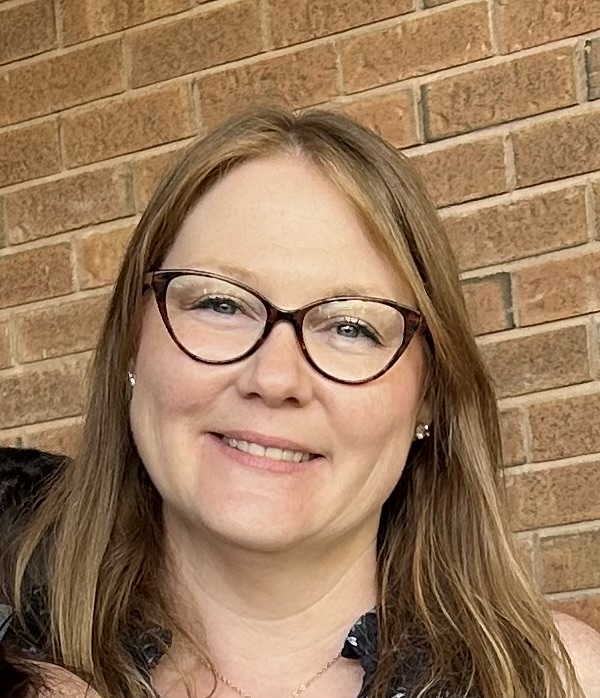
Her interest in planning has its roots in a family home-addition project when she 15. That introduction to zoning, land use, and the broader planning system combined with encouragement from her high school geography teacher led her to the University of Waterloo and the launch of a very rewarding career, working in a wide variety of planning areas, including development review, policy and long-range planning, recreation planning, and interdepartmental initiatives.
“Each role has been valuable in shaping my love of the profession, but secondary planning has always been a favourite,” she says. “Secondary plans allow you to dive deeply into the specifics of an area and prepare policy and land use plans to guide its growth or evolution in a meaningful and intentional way. There’s something very rewarding about shaping a vision that balances growth, community needs and identity, and long-term sustainability.”
In November 2025, she joined the Town of Grimsby as Director of Planning and Development.
What are your key goals at the Town of Grimsby?
I feel very privileged to be working for the Town of Grimsby. It’s an exciting time for the community. Like many municipalities, we are finalizing our official plan to set the vision for future growth. Grimsby’s growth will largely be accommodated through infill and intensification, which requires thoughtful policy direction and strong implementation tools.
The Town is also anticipating a new GO Station — something long planned for and now increasingly important with our growing community and the direction for Destination Niagara. Ensuring people can access Niagara, and Grimsby specifically, will continue to be a major priority. As a Greenbelt community with the Niagara Escarpment, we are also preparing for the anticipated upcoming coordinated plan review, which will align provincial plans and policies with the 2024 Provincial Planning Statement.
Internally, my goal is to encourage clear, consistent application processes which will build trust in how decisions are made. Predictability and transparency are essential for supporting positive outcomes, reducing delays, and ensuring that everyone understands what is required at each stage of the process.
Being new to the role, another major focus for me is building and strengthening collaboration across departments and with external agencies. Planning touches almost every part of municipal operations and aligning our work early will also help to improve the process. When communication is proactive and consistent, we are better positioned to support high-quality development that reflects the Town’s goals.
What are the factors in building a healthier, more sustainable Grimsby?
Healthier, more sustainable communities are shaped by land use decisions. Planning for compact mixed-use development, sustainable mobility systems with transit-supportive density, and integrating climate resilience will support more sustainable outcomes.
The majority of Grimsby’s growth will be primarily directed to three main centres: our Protected Major Transit Station Area, the downtown, and the health centre around our new hospital. Beyond that, nodes and corridors have been identified for additional, appropriate intensification. Each of these areas is intended to support density and compact mixed-use, with more intense transit oriented development around the PMTSA.
Sustainable mobility systems are another key factor for a healthy community. In anticipation of the GO Train stop, the Town is advancing discussions on the local transit system. Prioritizing public transit, safe pedestrian routes, and suitable cycling networks will be essential for connectivity within and into our community.
Climate resilience must be integrated into planning decisions. Embedding mitigation and adaptation into land use and infrastructure planning creates more durable and environmentally responsible communities. A connected parks system, urban tree canopy, green corridors, and stormwater solutions are also important. Access to green space has clear mental and physical health benefits.
Finally, aligning growth with infrastructure capacity is so critical. Strong asset management, proactive maintenance, and timely upgrades ensure long-term success and resilience.
Are there any areas of planning you would like to see get more attention in Ontario?
I’ve always had a strong interest in social planning and understanding how people use or interact with their community. We have started the discussions, but I think there could be more emphasis on the social dimensions of planning such as health-equity-informed decision-making and the relationship between the built environment and social interaction. In my experience in smaller municipalities, we often focus solely on land use and infrastructure, but how people connect, feel included, and experience community can be just as important.
We also need to strengthen collaboration across disciplines, sectors, and departments. Planners are uniquely positioned to bring people together, bridge perspectives, and champion approaches that support social well-being alongside physical development.
Planning is about building communities that are healthy, inclusive, and resilient. Seeing the profession move further in that direction makes me proud to be part of it.
The past few years have brought a whirlwind of policy changes: do you have any tips for other planners on keeping up with it all and setting priorities?
Keeping up with Ontario’s rapid policy changes can feel overwhelming, so the key is to stay anchored in your local context and strategic priorities. That grounding helps you focus on what will truly affect your community.
It is also important to establish a steady routine of information collection and scanning: regularly check the Environmental Registry (ERO), follow Ontario news releases (I recommend signing up for all notices), and be aware of local political developments. Conferences like AMO and ROMA are beneficial for hearing directly from provincial decision-makers.
Your professional network is equally important. Staying connected with neighbouring municipalities and fellow planners creates a support system for interpreting changes, sharing strategies, and pivoting processes when needed. Building habits and relationships will help to make the changes more manageable.
“A healthy, sustainable community is one where people can live safely, access housing options and essential services, and remain within the community as their neighbourhoods and needs evolve.”
The planning profession is ever evolving and modernizing: what would you like to see more of?
At a time where there seems to be a lot of mistrust in government actions and decision-making, I’m encouraged by the evolution of engagement tools and platforms that allow more people to participate meaningfully in planning processes. There is growing public interest in how communities evolve, and planners are finding new ways to bring people into the conversation with approaches that meet people where they are. That shift toward transparency and dialogue is helping residents feel like part of the process.
Looking ahead, I’d like to see even more innovation in engagement, especially strategies that reach those who don’t typically participate, including youth, newcomers, renters, and people with limited time or access to traditional consultation formats, and continued emphasis on transparency and community-minded outcomes. I’d also like to see continued emphasis on communication and collaboration across departments and sectors. The challenges communities face today, such as housing, climate resilience, mobility, equity, are interconnected, and planners are uniquely positioned to help bring people together around shared solutions.
What are your thoughts on the value and importance of membership with OPPI? What would you say to new members on how to make the most of their membership?
Membership in OPPI is incredibly valuable. It represents a shared professional standard, a commitment to ethical practice, and a connection to a broader community of planners. OPPI also serves as a collective voice for the profession, advocating for good planning and supporting practitioners across Ontario.
For new members, the value grows when you actively engage. I recommend you take opportunities to attend district events, participate in conferences, explore OPPI training or courses, and consider mentorship programs. These experiences help build skills and expand your network/connections to the profession.
Do you have a message for other RPPs and up-and-coming planners?
Planning is a profession that touches so many facets of community building and requires a broad understanding of many different topics. Even at this point in my career, I am always learning. I encourage all planners to seek opportunities to get involved in a wide variety of projects, even those where the link to planning isn’t immediately obvious. Those experiences often help define your path forward and can grow your passion for the profession.
The views expressed in this blog post are those of the author(s), and may not reflect the position of the Ontario Professional Planners Institute.