May 1, 2026
RPP Spotlight: Will Nixon, MCIP, RPP
Like many other planners, Will Nixon’s decision to pursue a planning career came out of nowhere but was an obvious fit once discovered. In fact, his first planning job was before he was a planner or knew what planning was.
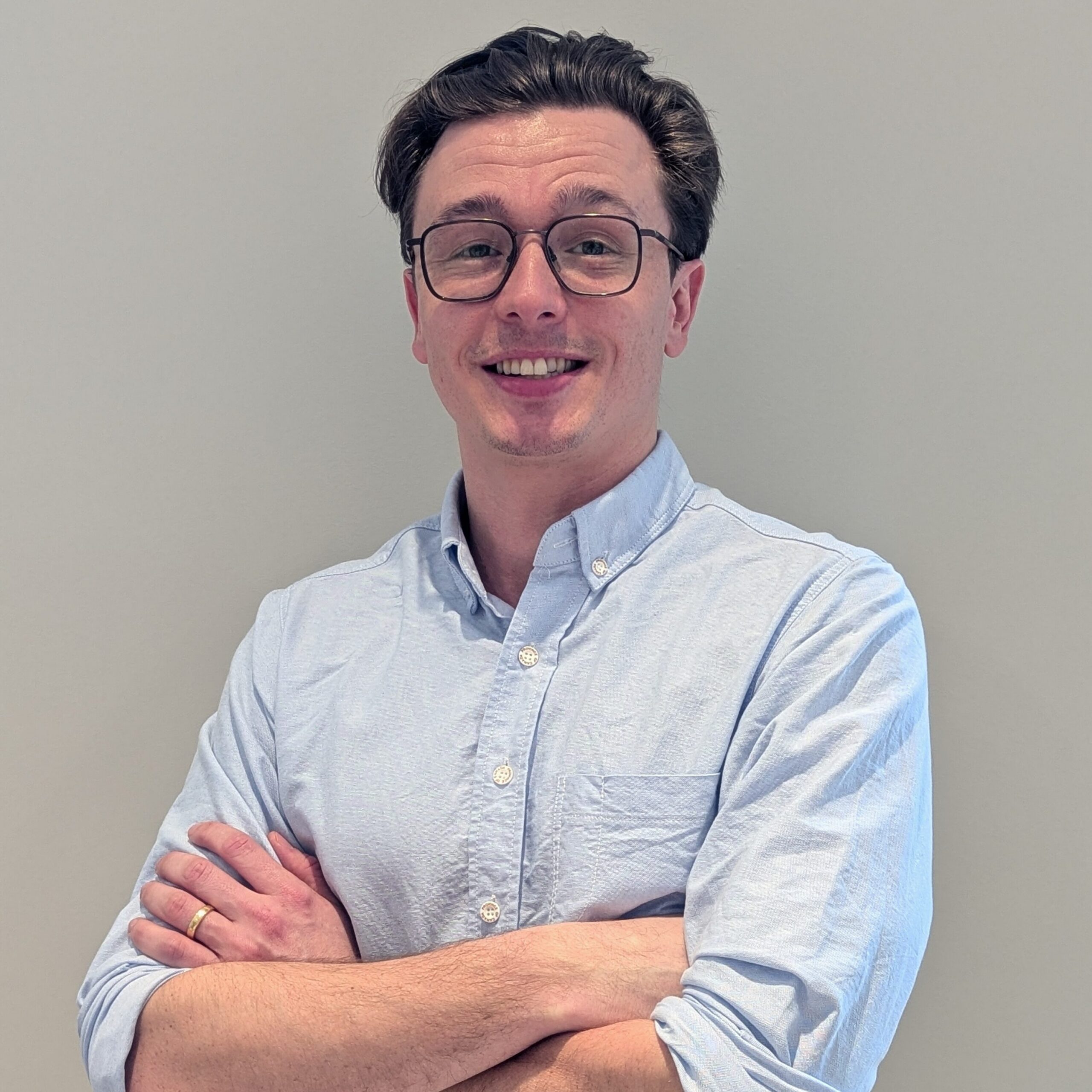
“It was with Earthroots, a local environmental non-profit, as a campaign manager for their southern Ontario land use protection campaign that focused on communicating the great benefits of Ontario’s Greenbelt and advocating for its expansion,” says Nixon. “It was daunting but a good first taste of Ontario’s planning regime, and I’d like to say it unknowingly contributed to my decision to go back to school for a master’s degree in planning.”
Nixon, who had a background in political science, recognized that urban planning provided an opportunity to learn about and engage in how policy manifests into our physical built environment. It also gave him a new avenue to address his other professional and personal focus: climate change.
“I’ve always known that I wanted a career centred around climate action and helping move society towards a more sustainable and resilient future,” says Nixon. “The intersection of urban planning and climate action provides me with a space to make a meaningful contribution in an important field.”
The planning stream at York University’s MES program allowed him to learn about how our cities and the earth’s climate impact each other. While he worked towards his planning degree, he got an internship with Canadian Urban Institute (CUI) as a researcher.
“CUI didn’t cancel their internship positions or programs at the outset of COVID, which I’m incredibly grateful for,” says Nixon. “During my time there, I helped them with their webinar series and COVID policy tracking initiatives. I was also able to co-author a report on the first 100 days of the pandemic and its impact on cities across Canada.”
After graduation in 2021, he was hired by The Planning Partnership (TPP) in Toronto, where his work largely consisted of writing and designing planning rationale reports for development applications and getting to know the ins and outs of the development review processes in various cities and towns.
“I was also able to work on a few applications that had key sustainability and resilience focuses which helped me develop my understanding of how we can make buildings more efficient and low carbon,” he adds.
In March 2023, Nixon joined the City of Toronto in the Environment and Climate Division (now Environment, Climate and Forestry Division) on the New Development and Renewable Energy team. Asked what he enjoys most about his role with the City of Toronto, he points to two aspects in particular.
“The first is the impact that I’m able to have within my city,” says Nixon. “It’s nice to know that I can align the success of my career with the mission of making Toronto more sustainable and resilient.”
The second aspect is the nature of the subject matter and the opportunity to be at the forefront of a global challenge that nobody has solved before.
“The City of Toronto leads by example which allows us to work on innovative projects that move us closer to a low-carbon future,” he says. “There is a great sense of community between people working on similar work for other cities across the world. I’ve been able to speak with people across Canada and in other countries and everyone is engaged and willing to share their lessons learned about their own climate action projects.”
When Nixon embarked on his RPP certification process, it was important to him to work with someone who had experience with climate planning projects so they could relate to his experience and provide guidance.
“Shout out to my mentor Megan Gereghty for her guidance,” says Nixon. “The integration of climate action into city building initiatives is a growing sub-field, so not many professionals already have that type of hands-on experience. With her experience from the Climate Risk Institute, Megan helped me explore what it means to plan cities in the time of climate change.”
While the RPP designation was always part of Nixon’s plan because it seemed like a capstone to his planning studies and for the mentorship opportunity, there is another reason — he wanted his opinions on planning matters to carry the legitimacy that comes with the RPP designation.
“My team is outside of the city planning or development focused divisions, so the RPP designation helps me communicate my professional background and experience to others while working on collaborative projects,” says Nixon, adding that he is an advocate for planners working outside of municipal planning divisions because it provides context and an on-the-ground understanding of the policy decisions developed during planning studies.
“Planners in non-city planning divisions can provide a connective tissue to the central city planning division because they understand the processes and policies of municipal planning.”
As for the RPP certification process, Nixon found the exam preparation relatively straightforward and gave himself a month to study, alternating between course manual review and additional reading materials. His advice: give yourself time to prepare but not so much that you don’t “feel a fire underneath you to motivate you to study.”
Being part of OPPI comes with a wide range of benefits, including what Nixon values most: the opportunity to learn and connect with others.
“I believe that the more that OPPI can provide opportunities for planners to learn from each other, the better the professional network will be across the province,” he says. “Article writing, delivering webinars, and speaking at conferences are all foundational experiences for planners to connect with others and form a sense of community.”
Are you considering a planning career? Nixon has a message for you.
“Join the fun! It’ll change the way you walk around cities, both at home and internationally. A city’s design is reflective of the policies that guide — or do not guide — its development, which reflects the values and opinions of the residents of that time. You will be either the best or worst person to travel with, depending on how much your friends and family like niche fun facts. I strongly believe that planning is a great career for those who are morally ambitious because it has a clear intersection with many important topics, including human rights, transportation, local economic growth, and environmental stewardship, to name a few.”
The views expressed in this blog post are those of the author(s), and may not reflect the position of the Ontario Professional Planners Institute.