May 1, 2026
Meet some of the people behind the Mentorship Initiative of Indigenous and Planners of Colour (MIIPOC)
The Mentorship Initiative of Indigenous and Planners of Colour (MIIPOC) is a social and professional networking infrastructure that connects Indigenous, Black, and other planners of colour to skills development and peer mentorship. MIIPOC was established in 2019 and runs structured six-month cohorts that focus on relationship-building, community-building events, and professional development. The spring-summer 2026 issue of Place Magazine featured an article about MIIPOC.
Elijah Bawuah
Elijah Bawuah is a senior community engagement and city-building professional with an urban planning background. He has worked across transit, public-realm, and growth-related projects, leading engagement and stakeholder programs that influence how major city-building initiatives are designed and delivered.


Iman Yousuf
My name is Iman Yousuf. I hold a Bachelor of Urban and Regional Planning from Toronto Metropolitan University, and I am passionate about interdisciplinary work in migration, policy analysis, and social/community planning. I bring federal government experience at the intersection of immigration, risk management and program/policy analysis, and I champion human-centred, evidence-based policymaking and seek organizations driving meaningful societal change at macro and micro levels.
As the Volunteer Recruitment Lead at MIIPOC, I oversee recruitment for our mentorship program, internship initiatives, and ongoing volunteer opportunities. It allows me to blend what I love, which is connecting with people, leading with intention, and finding creative, innovative ways to support meaningful and impactful programs.
What influenced my decision to volunteer with MIIPOC was recognizing the need for the planning profession to become more inclusive, representative and supportive of emerging voices. I wanted to be part of an organization that’s not only aware of this need but is taking meaningful action on addressing it. When I was a planning student, opportunities to connect with mentors who understood the unique experiences of racialized planners and could help navigate the uncertainties of early career development were rare. This awareness not only stayed with me but shaped how I approach my work today.
MIIPOC empowers students and early career planners, particularly those from equity-seeking and underrepresented backgrounds, by providing spaces for mentorship, dialogue, skill-building and professional growth. This work is crucial in building fair and inclusive planning practices and policies, as MIIPOC is helping to shape a generation of planners who bring both professional expertise and valuable lived experience to their work.
For me, volunteering with MIIPOC is both a way of giving back and a way of reimagining what support in the planning field can look like. I hope to continue to inform and recruit for programs where students and early career professionals not only find guidance but also feel truly seen and equipped to thrive. I hope that through their involvement, they know their perspectives are valued, and their presence shapes the future of planning and policymaking.
Humera Azhar
My name is Humera Azhar, and as Outreach Lead for MIIPOC, my role focuses on expanding access, visibility, and pathways into the planning profession for Black, Indigenous, and Planners of Colour (BIPOC). I strive to amplify voices that have long been underrepresented in the planning sector while building connections between students, early-career professionals, employers, academic institutions, and community partners. Outreach, to me, is about creating real opportunities and not only raising awareness but also helping people navigate entry into the profession.
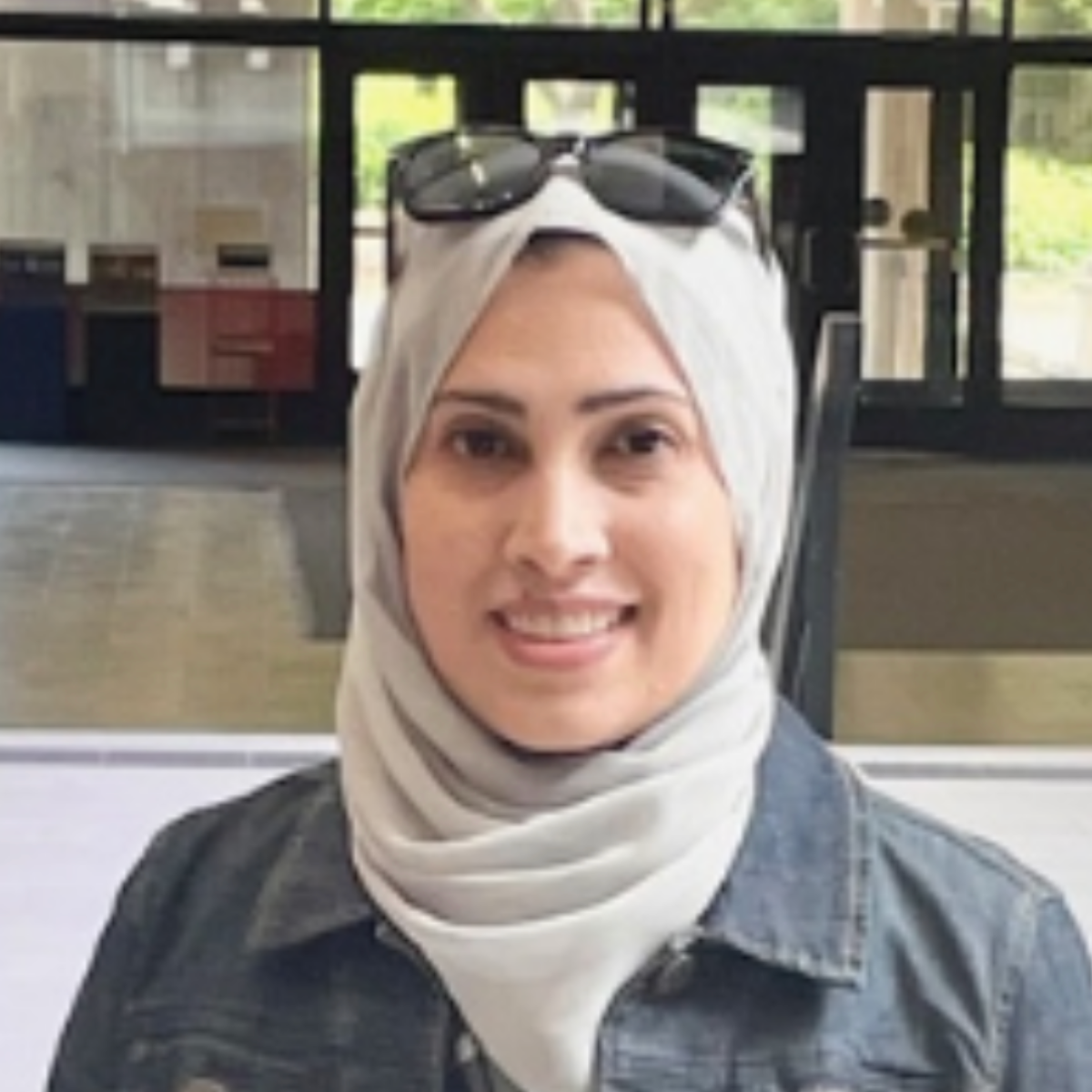
One of my key initiatives is the “Do You Know?” series, posted biweekly on LinkedIn and Instagram, which highlights planners of colour and their contributions to city-building in Canada. The series demonstrates that diverse leadership already exists within the profession, but it requires ongoing research and learning about influential figures whose stories are not always widely known. For example, few people know that as a planner of colour, Oliver Bowen played a key role in designing Calgary’s first CTrain line, and Raymond
Moriyama designed the Ontario Science Centre. Highlighting these contributions helps make representation visible and real.
More recently, I have been working on a new MIIPOC series that will share planning jobs and internship opportunities on social media and actively encourages students and professionals of colour to apply. This initiative also involves outreach to municipalities, consulting firms, and organizations interested in reaching diverse candidates. Representation requires intentional outreach, confidence-building, and access to information.
Through MIIPOC, I hope to help reduce barriers many BIPOC planners face, including limited professional networks, a lack of mentorship, and uncertainty in navigating hiring processes. My goal is to position MIIPOC as a trusted bridge between diverse talent and organizations seeking more inclusive planning teams.
Looking ahead, I hope to see greater diversity across the planning sector where planners of colour feel confident in who they are and fully included in shaping equitable, healthy communities. Organizations like OPPI play an important role in strengthening this work by supporting mentorship, professional development, and inclusive pathways into the profession. When institutions and grassroots initiatives work together, we can build a planning community that reflects the diversity of the communities we serve.
Nesochi Chinwuba
Nesochi Chinwuba is a communications and engagement professional with experience across financial services, technology, and international development. Her work centres on clear, accessible communication, stakeholder engagement, and data-informed insights that strengthen relationships and advance inclusive outcomes. Bilingual in English and French, Nesochi brings a collaborative, research-driven approach to projects that connect people, policy, and practice.
As Program Coordinator for the Mentorship Initiative for Indigenous and Planners of Colour (MIIPOC), she supported equity-focused professional development and community building within the planning sector. In this capacity, she worked to strengthen the initiative’s organizational structure, elevate its visibility, and advance its long-term sustainability, all while supporting greater representation within Ontario’s planning profession. Although the funded contract with the Ontario Professional Planners Institute
has concluded, she continues to contribute to MIIPOC on a volunteer basis, helping to ensure its continuity, stability, and ongoing impact within the sector.
As Program Coordinator, Nesochi oversees the organization and delivery of the MIIPOC Mentorship Programme. The program pairs mentees, typically students, recent graduates, or early-career professionals, with experienced planners who provide guidance, industry insight, and professional development support. Her responsibilities include developing program frameworks, coordinating communications, facilitating engagement opportunities, and tracking outcomes to ensure the initiative continues to evolve in response to participant needs.
Ensuring business continuity has also been a central priority. To strengthen MIIPOC’s long-term impact, Nesochi led the recruitment of nine volunteers serving in various capacities across the organization. These volunteers support programming, communications, partnerships, and operations, helping to distribute leadership and build organizational resilience. Establishing this team has been essential to ensuring that MIIPOC’s work continues sustainably beyond any single role.
Increasing MIIPOC’s visibility remains another key focus. Representation influences who feels welcomed into the profession and who sees themselves advancing within it. Through outreach, events, and partnerships, MIIPOC aims to create intentional space for Indigenous planners and planners of colour to connect, share lived experiences, and expand their professional networks.
More than a mentorship program, MIIPOC fosters belonging. It offers a structured environment where planners of colour can explore career pathways, discuss workplace dynamics, and build confidence in their professional journeys.
Strengthening representation within planning is essential to building equitable communities. Through MIIPOC, the work continues toward a profession that better reflects and serves Ontario’s diverse communities.

Natalia Álvarez Quintero
Natalie Alvarez Quintero is a recent graduate of the Master of Environmental Studies (Planning) program at the University of Waterloo. Her research examined the effectiveness of urban heat island policies in Toronto, where she developed an evaluation framework to strengthen municipal climate adaptation. She currently works as a Community Action Researcher with Sustainable Waterloo Region and serves as Partnership and Outreach Lead with MIIPOC, supporting climate initiatives, stakeholder engagement, and program coordination. With over two years of experience across public and non-profit sectors, Natalie is passionate about climate resilience, equitable urban development, and evidence-based planning.
MIIPOC has been a great organization in creating space for talented young professionals who have limited connections within the planning field. As the Partnership and Outreach Lead, she identifies potential partners, reaches out to them, and focuses on fostering professional relationships with companies and municipalities. These partnerships are especially important as MIIPOC seeks to collaborate with organizations that are interested in providing mentorship and internship opportunities to racialized young professionals. The goal of these partnerships is to build meaningful pathways into the profession, while also supporting companies and teams in strengthening diversity, broadening perspectives, and addressing planning gaps through more inclusive decision-making.
Working alongside other volunteers, Natalie is also organized MIIPOC’s first Mentor Workshop, which took place on March 25, 2026, at our partner, Arcadis’s office. This workshop was designed to serve as a bridge and open door for experienced planning professionals who value diversity and inclusiveness and are interested in contributing to the profession in a more intentional way. The session featured a seasoned professional with decades of mentorship experience, who shared insights on recognizing talent, navigating bias, and understanding the long-term benefits of effective mentorship. The workshop was open to planning professionals with more than 10 years of experience and aimed to create a space for reflection, learning, and networking among those who share similar values and goals. The expected impact is to encourage more experienced planners to actively participate in mentorship, strengthen inclusive practices within their organizations, and expand MIIPOC’s network of committed mentors and partners.
The views expressed in this blog post are those of the author(s), and may not reflect the position of the Ontario Professional Planners Institute.